

Uncategorized

Uncategorized

Probiotics and Immunity: How They Work Together for Kids

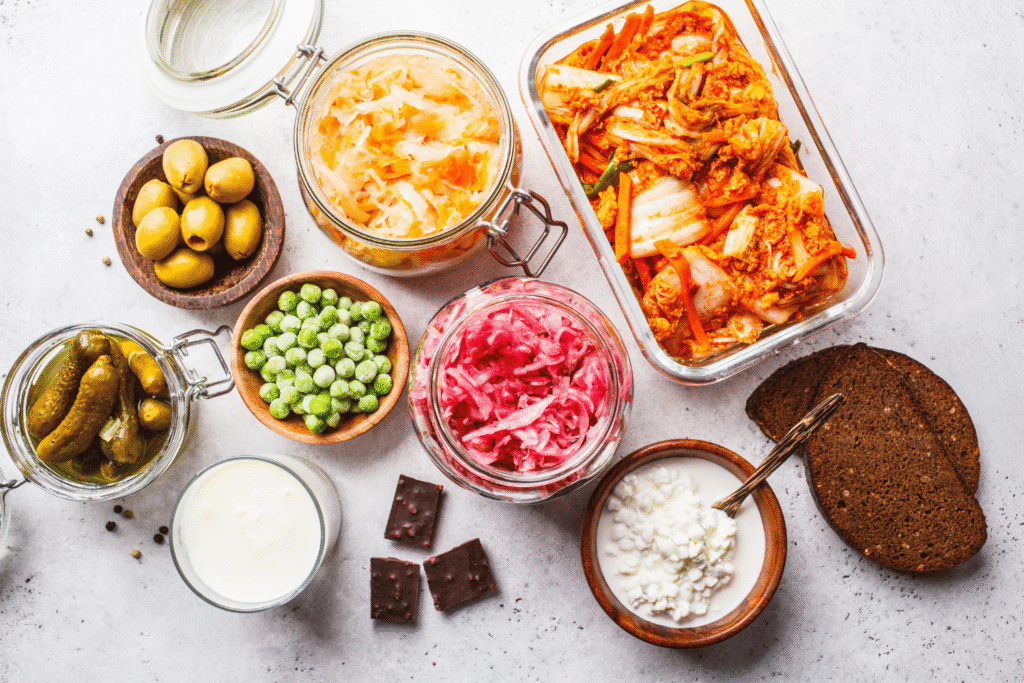
As parents, keeping children healthy and resilient is always a top priority. Beyond balanced meals and adequate sleep, one key area of health often overlooked is the connection between gut health and the immune system. Probiotics, often called “good bacteria,” play an important role in supporting children’s immunity from within. What Are Probiotics? Probiotics are live microorganisms, mostly beneficial bacteria, that help maintain a healthy balance in the gut. They are naturally found in certain foods like yogurt, kefir, and fermented products, or can be taken as supplements in child-friendly forms. The Gut–Immune Connection It may be surprising, but about 70% of the immune system is located in the gut (Round & Mazmanian, Nature Reviews Immunology, 2009). This makes gut health a cornerstone of overall immunity. The gut microbiome interacts with immune cells, helping the body distinguish between harmful pathogens and harmless substances. A balanced microbiome supports: Stronger defenses against infections Reduced inflammation in the body Better recovery from common illnesses like colds or digestive upsets How Probiotics Support Kids’ Immunity 1. Boosting Natural Defenses Probiotics can enhance the production of protective substances (like antibodies) that defend against harmful bacteria and viruses. 2. Supporting Gut Barrier Function They strengthen the intestinal lining, which prevents harmful germs from entering the bloodstream. 3. Balancing the Microbiome Daily stress, poor diet, or antibiotics can disrupt gut bacteria. Probiotics help restore this balance, lowering the risk of tummy troubles and supporting resilience. 4. Reducing Common Infections Research suggests that children who consume probiotics may experience fewer respiratory and gastrointestinal infections.   Probiotics are more than just “good bacteria”, they are partners in building a resilient immune system. By nurturing the gut, probiotics help children stay healthier, recover faster, and enjoy more active, energetic days. Supporting immunity doesn’t have to be complicated. Small daily steps, including probiotic – rich foods and healthy habits, can make a lasting difference for growing kids.   References Round, J.L., & Mazmanian, S.K. (2009). The gut microbiota shapes intestinal immune responses during health and disease. Nature Reviews Immunology, 9(5), 313–323. Hao, Q., Dong, B.R., & Wu, T. (2015). Probiotics for preventing acute upper respiratory tract infections. Cochrane Database of Systematic Reviews, (2), CD006895. World Health Organization (WHO). (2001). Health and nutritional properties of probiotics in food including powder milk with live lactic acid bacteria. Report of a Joint FAO/WHO Expert Consultation.


Uncategorized

Easy and Nutritious Ways to Add Better Goat Milk Powder to Elderly Meals

As we age, our nutritional needs change. Seniors often face challenges such as weaker digestion, reduced appetite, or bone and muscle loss. Goat milk is naturally easier to digest than cow’s milk and provides protein, calcium, and essential vitamins and minerals to support healthy aging. With Better Goat Milk Powder, it’s simple to add these benefits into everyday meals that are both nourishing and enjoyable. Here are some practical and tasty recipe ideas for elderly-friendly meals. 1. Gentle Morning Porridge A warm bowl of porridge is comforting, easy to eat, and packed with nutrients. How to make it: Cook oats, millet, or rice flakes with reconstituted Better Goat Milk (prepared by mixing 3 scoops of Better Goat Milk Powder into 200ml warm water) Add soft fruits like banana or stewed apple. Sprinkle flaxseed or chia for extra fiber, if suitable. Why it’s good: Provides long-lasting energy, calcium for bone strength, and is gentle on digestion. 2. Goat Milk & Honey Smoothie Smoothies are perfect for seniors with reduced appetite, offering a light yet nourishing meal option. How to make it: Blend 200ml warm water, 3 scoops of Better Goat Milk Powder with ½ banana, 1 tsp honey, and a spoonful of yogurt. Serve slightly chilled. Why it’s good: Easy to consume, energy-boosting, and naturally sweet. 3. Creamy Vegetable Soup Soups are soft, comforting, and nutrient-rich; ideal for elderly meals. How to make it: Cook vegetables like pumpkin, carrot, or potato until soft. Blend into a smooth puree. Stir in ½ cup of reconstituted Better Goat Milk (prepared by mixing 3 scoops into 200ml warm water) before serving. Why it’s good: Combines vegetable vitamins with the protein and calcium benefits of goat milk. 4. Bedtime Warm Goat Milk Drink A simple drink to calm the mind and support digestion before sleep. How to make it: Mix 2 1/2 scoops of Better Goat Milk Powder into 150ml warm water. Add a pinch of cinnamon or nutmeg for extra comfort. Why it’s good: Warm goat milk is gentle at night and helps promote relaxation. 5. Nutritious Chocolate Drink Upgrade A familiar favorite with a healthier twist. How to make it: Mix 2 1/2 scoops of Better Goat Milk Powder into 150ml warm water. Stir in 2 teaspoons of chocolate drink powder. Why it’s good: Comforting and familiar taste, but easier to digest than cow’s milk versions. With Better Goat Milk Powder, supporting healthy aging can be simple and enjoyable. From porridge and soups to smoothies and bedtime drinks, these recipes are easy to prepare, gentle on digestion, and full of the nutrients seniors need for bone strength, immunity, and overall well-being.

Uncategorized

Why Protein Isn’t Just for Weightlifters: The Everyday Benefits You Need to Know

When you hear the word protein, you might picture athletes lifting heavy weights or bodybuilders drinking shakes after a workout. But the truth is; protein is essential for everyone, not just those in the gym. From office workers to parents, students to seniors, protein plays a daily role in keeping your body energized, strong, and resilient. If you’ve ever wondered why protein matters beyond muscle building, here’s what you need to know. The Everyday Role of Protein 1. Boosts Energy and Focus Protein helps balance blood sugar levels, preventing sudden energy crashes during the day. This means you can stay alert and focused, whether at work, in class, or managing household tasks. 2. Keeps You Satisfied Longer Unlike quick-digesting carbs, protein takes more time to break down, helping you feel fuller for longer. This makes it a smart nutrient for reducing unhealthy snacking and maintaining a healthy weight. 3. Supports Daily Repair and Recovery Your body is constantly repairing itself, even without exercise. From healing small injuries to maintaining healthy skin, hair, and nails, protein supplies the amino acids needed for these everyday processes. 4. Strengthens Immunity Proteins are the building blocks of antibodies that help your body fight infections. Adequate protein intake supports a stronger immune system, keeping you healthier year-round. 5. Protects Muscle as You Age Starting in your 30s, natural muscle loss begins. This can affect strength, mobility, and balance later in life. Getting enough protein helps preserve muscle mass, reducing the risk of weakness or falls as you age. How Much Protein Do You Really Need? The general guideline for adults is around 0.8 grams of protein per kilogram of body weight per day (WHO, 2007; National Academies of Sciences, Engineering, and Medicine, 2005). However, needs may be higher if you are physically active, recovering from illness, or over 60. For example: A 60 kg adult requires about 48 g of protein per day. This can look like: 2 eggs (12 g), 1 cup of tofu (20 g), and a handful of nuts (8 g). Meeting daily needs doesn’t have to be complicated. It’s about making small, consistent choices. Everyday Protein Sources Protein isn’t only found in meats or supplements. Here are simple, accessible options: Plant-Based Sources: soy, beans, peas, quinoa, chia seeds, oats. Animal-Based Sources: eggs, chicken, fish, dairy. Convenient Options: ready-to-drink plant-based protein or snack bars for busy days. Protein is not just a “gym nutrient”; it’s an everyday nutrient. It fuels your energy, helps you focus, supports your immune system, and keeps your body strong through every stage of life. Whether you’re working long hours, chasing after your kids, or simply aiming to age healthily, getting enough protein is one of the smartest steps you can take for your well-being. So, the next time you think of protein, don’t just think of weightlifters, think of yourself. Because protein is for everyone.

Uncategorized

The Benefits of Plant-Based Protein: A Healthier Choice for Your Body and Planet

In recent years, more people are turning to plant-based protein as a healthier and more sustainable option. Whether you are an athlete, a busy parent, or someone looking to make better dietary choices, plant-based protein can be a powerful way to support your health. Unlike traditional animal protein, plant-based options come with additional nutrients, fewer saturated fats, and benefits that extend beyond your body; to the environment as well. WHY CHOOSE PLANT-BASED PROTEIN? 1. Supports Muscle Growth and Repair Protein is essential for maintaining and building muscle, and plant-based sources like peas, soy, chia seeds, and brown rice provide complete or complementary amino acids. With the right combination, plant-based protein can be just as effective as animal protein in supporting recovery after exercise. 2. Gentle on Digestion Many people experience bloating or discomfort from dairy-based protein powders. Plant-based proteins are typically easier to digest and can be a great alternative for those who are lactose intolerant or have sensitive stomachs. 3. Rich in Fiber and Nutrients Unlike animal proteins, plant-based options often contain fiber, antioxidants, and essential vitamins and minerals. Fiber supports better digestion, helps maintain a healthy weight, and promotes long-term gut health. 4. Heart-Friendly Plant proteins generally contain less saturated fat and no cholesterol. This makes them a heart-healthy choice that may help reduce the risk of cardiovascular disease when included as part of a balanced diet. 5. Sustainable and Eco-Friendly Choosing plant-based protein isn’t just good for your health—it’s also better for the planet. Plant protein production requires fewer resources like water and land, and it produces fewer greenhouse gas emissions compared to livestock farming. Best Sources of Plant-Based Protein Pea Protein: Easily digestible and rich in iron. Soy Protein: A complete protein with all essential amino acids. Brown Rice Protein: Great for sensitive stomachs. Chia Seeds: High in protein, fiber, and omega-3 fatty acids. Quinoa: A versatile grain that provides complete protein naturally. Switching to plant-based protein can be a small step with big rewards. From supporting your fitness goals to improving your digestion and contributing to a healthier planet, it offers benefits that go beyond nutrition. Whether you’re blending it into a smoothie, baking it into snacks, or enjoying it as part of your meals, plant-based protein is a choice that truly fuels a better lifestyle.

Uncategorized

How to Encourage Kids to Enjoy Their Daily Nutrition

Many parents struggle with getting kids to take vitamins or nutritional supplements. Children often see them as “medicine” or dislike the taste, making daily health routines a challenge. But with a little creativity, you can make supplement time fun and stress-free. Here are some simple strategies to help your child enjoy their daily nutrition. WHY KIDS RESIST TAKING VITAMINS? It’s common for children to push back against tablets, powders, or capsules. The unfamiliar taste, texture, or appearance often feels less appealing than their favorite snacks. That’s why turning vitamins into something playful, routine-based, and positive can make all the difference. TIPS TO HELP KIDS TAKE SUPPLEMENT 1. Give them a sense of control Children love making small choices, and this can make them more open to taking their vitamins. Let them choose a flavor (if available) Ask them to count their daily “dose” with you 2. Make it part of their daily routine Healthy habits stick best when tied to something kids already enjoy. Add supplements to breakfast or dinner Include them before bedtime stories 3. Use praise and encouragement Positive reinforcement motivates kids to keep up good habits. Give a high five when they finish Offer kind words to recognize their effort 4. Create a reward system A sticker chart or simple progress tracker can make supplement time exciting. Kids love seeing their achievements grow, and rewards can help build consistency.   Supplement time doesn’t have to be a struggle. By adding a sense of fun, consistency, and encouragement, parents can help children build a healthy routine that feels natural and enjoyable. Some parents also find that child-friendly options; like chewable supplements in fun shapes make nutrition more approachable and engaging.

Uncategorized

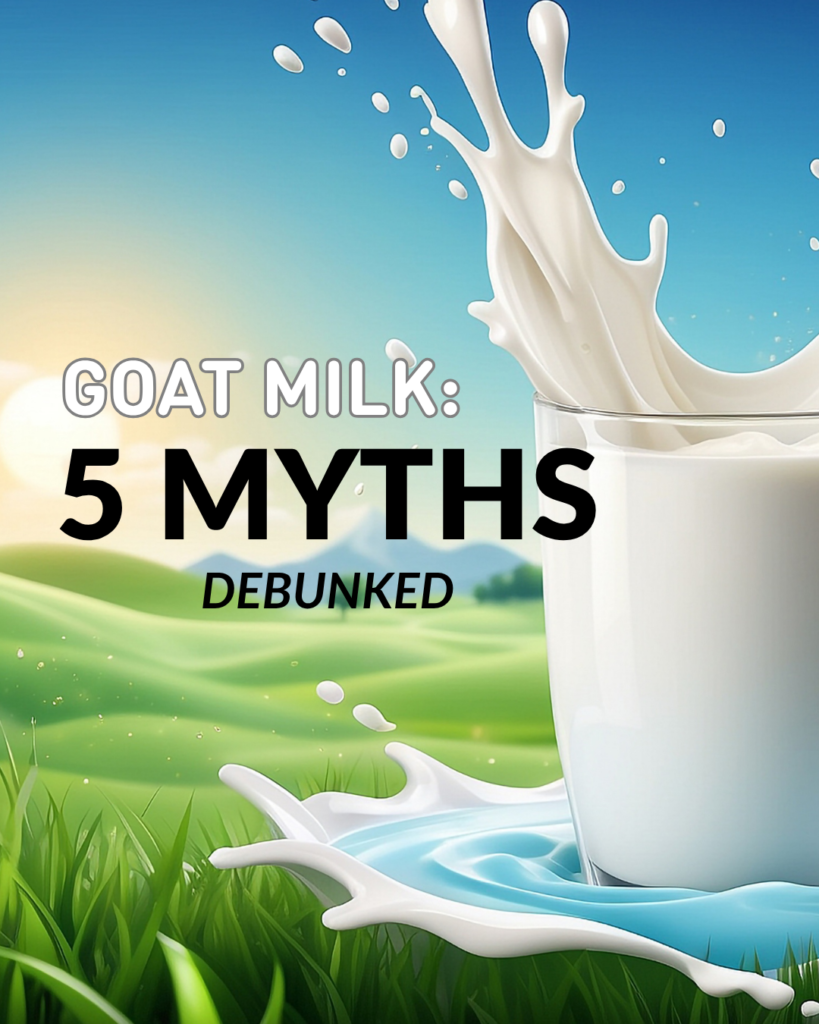
The Truth About Goat Milk: 5 Myths Debunked

Goat milk has been enjoyed for centuries in many parts of the world, but some misunderstandings still make people hesitant to try it. From concerns about taste to questions about nutrition, let’s clear up the top 5 myths about goat milk so you can see its true benefits. Myth 1: Goat milk has a strong, unpleasant taste Reality: Modern goat milk, especially when processed properly, has a mild and pleasant flavor. Many people find it creamier and smoother than cow’s milk, and it blends easily into drinks, cereals, or recipes without leaving a “goaty” aftertaste. Myth 2: Goat milk is only for babies or people with health issues Reality: While it’s true that goat milk is gentle on digestion, it’s not just for children or those with sensitivities. Adults and seniors can also enjoy its rich nutrient profile, from calcium for bone support to healthy fats that provide quick energy. Myth 3: Goat milk is low in nutrients compared to cow’s milk Reality: Goat milk is naturally rich in protein, vitamins, and minerals. It also contains certain fats and prebiotics that may be easier to digest. Far from being “less nutritious”, it’s actually a wholesome alternative that supports everyday health. Myth 4: Goat milk is hard to digest because it’s still dairy Reality: Goat milk proteins and fat globules are naturally smaller, which makes them easier to digest for many people. It also contains slightly less lactose than cow’s milk, which can make it gentler for those with mild lactose sensitivity. Myth 5: Goat milk is hard to use in everyday meals Reality: Goat milk can be used just like cow’s milk; in coffee, tea, smoothies, baked goods, or even traditional drinks like Milo or Teh Tarik. It’s a versatile ingredient that fits right into your daily routine. Goat milk isn’t just an alternative to cow’s milk. It’s a nutritious, versatile, and gentle option that can fit into any lifestyle. By clearing up these common myths, we can see goat milk for what it truly is: a wholesome drink enjoyed by people of all ages. Whether in your morning coffee, a bedtime drink, or your favorite recipes, goat milk can be a simple step toward healthier living.

Uncategorized

The Busy Woman’s Guide to High-Protein Drinks

Fuel your day, feel your best, and keep up with life—one protein shake at a time. In the whirlwind of balancing careers, families, fitness goals, and social lives, women often put their own nutritional needs on the back burner. While carbs and fats dominate the conversation when it comes to weight and energy, protein is the unsung hero — especially for busy women. Not getting enough protein can lead to low energy, poor recovery, increased cravings, and even long-term health concerns. But the good news? Meeting your protein needs doesn’t have to mean overhauling your diet. With high-protein drinks, you can nourish your body and simplify your routine— without compromising on time or taste. Why Women Need More Protein 1. Boost Energy Levels & Crush Fatigue Do you regularly hit an afternoon slump around 3 PM? That crash might not just be from a lack of sleep or too much screen time—it could be from a lack of protein. Unlike carbohydrates that spike and drop your blood sugar, protein provides a steady source of energy throughout the day. It helps balance blood sugar, preventing sudden dips that lead to cravings and fatigue. ✅ Pro Tip: Start your day with a protein-rich breakfast or shake to maintain energy and focus all day. 2. Speed Up Muscle Recovery After Workouts (and Life!) Whether you’re strength training or chasing after kids, your muscles work hard. Protein is essential for recovery and rebuilding, helping you stay strong and active. It also plays a major role in maintaining metabolism and lean body mass as you age. Even light activity—like walking or stretching—benefits from post-activity protein support. 3. Feel Fuller, Fight Cravings Protein increases satiety, helping you feel full longer and reduce mindless snacking. If you’re trying to manage your weight or curb sugar cravings, a high-protein meal can be a game-changer. It keeps hunger at bay and makes healthier eating habits easier to stick to. 4. Protect Your Bones & Muscle Mass As women age, muscle loss and bone thinning become concerns—especially post-menopause. Protein helps maintain bone density and muscle strength, which supports mobility and reduces the risk of fractures. 📚 A study found that for every 10g increase in daily protein, hip fracture risk decreased by 10% in postmenopausal women. 5. Lower Your Risk of Heart Disease Plant-based proteins, in particular, can lower cholesterol and support heart health. Replacing red meats and full-fat dairy with plant-based protein sources like legumes or pea protein can reduce blood pressure and improve cardiovascular health over time. The Protein Problem for Busy Women Despite all the benefits, many women still struggle to get enough protein each day. Here’s why: ⏰ Lack of time – Cooking high-protein meals isn’t always realistic during a busy morning or packed lunch break. 😖 Poor taste or texture – Some protein bars taste chalky, and while nuts are healthy, they’re easy to overeat. 💨 Digestive issues – Dairy-based protein like whey can cause bloating and discomfort for some. The Simple Solution: Plant-Based Protein Drinks When you’re racing through the day, plant-based protein drinks offer an effortless, digestion-friendly solution. They’re quick to prepare, easy to carry, and often free from common allergens like dairy. Plus, they taste great—no more chalky surprises! Whether you’re sipping one after your workout, between meetings, or as a mid-afternoon boost, a protein drink can help you stay energized, nourished, and on track. Final Thoughts: Fuel Yourself First Busy doesn’t have to mean burned out. By prioritizing protein, you give your body the building blocks it needs to stay strong, energized, and resilient. High-protein drinks make it easier than ever to put your health first—without sacrificing your time or routine. References Fung, T., Willett, W., & Feskanich, D. (2016). Protein intake and risk of hip fractures in postmenopausal women and men over 50 years. The FASEB Journal. https://doi.org/10.1096/fasebj.30.1_supplement.290.5 News-Medical. (2025, March 3). Protein power essential for building and maintaining muscle mass. https://www.news-medical.net/news/20250302/Protein-power-essential-for-building-and-maintaining-muscle-mass.aspx Observatoire De La Prévention. (2025, Jan 30). Increasing plant-based protein intake reduces the risk of cardiovascular disease. https://observatoireprevention.org/en/2025/01/30/increasing-plant-based-protein-intake-reduces-the-risk-of-cardiovascular-disease/

Uncategorized

5 Ways Probiotic Can Transform Your Child’s Health

Is your child constantly battling sniffles, stomachaches, or infections? You’re not alone! As a parent, it’s heartbreaking to watch your child struggle with constant sniffles, stomachaches, or repeat infections. But did you know many of these issues trace back to an imbalance in their gut? Why does gut health matter for kids? Many common health concerns parents face can be linked to an overlooked factor: your child’s gut health. Scientists call the gut the “second brain” as it is packed with its own network of neurons, known as the Enteric Nervous System (ENS). The gut often plays a crucial role in regulating digestion, mood, and immune function, making it a powerhouse for your child’s overall well-being. But the gut’s superpowers don’t stop there. Trillions of bacteria and microorganisms that make up the gut microbiome are constantly working behind the scenes to maintain your child’s health. In fact, approximately 70% of your child’s immune cells reside in their gut. These beneficial bacteria act like tiny trainers, teaching the body to fight off infections, viruses, and allergies. So, what occurs when this fragile balance is disrupted? When harmful bacteria outnumber the good, it can lead to a domino effect of health issues: a weakened immune system struggling to fight off infections, digestive discomfort like bloating or constipation, and even respiratory challenges like frequent colds or sinusitis. This is where probiotics step in as the ultimate gut heroes.  5 Ways Probiotic Can Transform Your Child’s Health From Constipation to Comfortable Digestion Tummy troubles like bloating, constipation or diarrhea are common in kids, but probiotic can help!Probiotics aid in maintaining a healthy digestive system and relieving occasional gastrointestinal issues, ensuring smoother digestion and greater comfort for your child. From Weak Immunity to Stronger Defense Against Infections An imbalanced gut can weaken your child’s immune system, making them more vulnerable to fevers, flu, coughs, and other infections. Since 70% of immune cells reside in the gut, maintaining a well-balanced microbiome is crucial for building strong immunity. When the gut microbiome is out of balance, your child’s natural defenses may be compromised. In this case, probiotics can help support immune function by introducing beneficial bacteria that activate immune cell activity and enhance your child’s ability to respond to harmful pathogens. From Poor Nutrient Absorption to Better Nourishment Good nutrition isn’t just about eating the right foods, it’s about how well the body absorbs those nutrients. If gut health is compromised, children may struggle to absorb essential nutrients, which can lead to nutritional deficiencies and affect their growth and development. Probiotics help enhance digestive processes by breaking down food more effectively, ensuring that essential vitamins and minerals they need for growth and development are properly absorbed. From Post-Antibiotic Weakness to Balance Gut Antibiotics wipe out both bad and good bacteria in the gut, leaving your child prone to digestive problems and a weakened immune system. After antibiotic use, it is important to restore the beneficial bacteria that were lost. In this case, probiotic can help replenish beneficial bacteria post-antibiotic use! From Respiratory Struggles to Stronger & Healthier System Stuffy noses and sinus issues are common in kids, which can make breathing difficult. Surprisingly, gut health is connected to respiratory wellness through the “gut-lung axis.” This bidirectional communication pathway indicates that a balanced gut microbiome can positively influence lung health. Probiotics, known for maintaining gut balance, may play a role in preventing respiratory tract infections.  Incorporating probiotic into your child’s daily routine can make a world of difference when it comes to supporting their overall health. It’s a simple step toward a healthier, happier gut and a healthier, happier child! References: Department of Health & Human Services. (n.d.). Gut health. Better Health Channel. https://www.betterhealth.vic.gov.au/health/healthyliving/gut-health Kelaher, M. (2023, January 3). The surprising link between gut health and immunity — Your Lifestyle Medics. Your Lifestyle Medics. https://yourlifestylemedics.com/health-info/83sc98slbecq5heiv71pmt9itbn9ux?srsltid=AfmBOopYF6M33nlq-uqxW1wQlAdS1BLteR0wVn9wmv-v35wSTDoueT7q Professional, C. C. M. (2025, February 24). The Gut-Brain connection. Cleveland Clinic. https://my.clevelandclinic.org/health/body/the-gut-brain-connection Team, V. (2025, January 1). The Gut-Lung axis: the surprising link between your digestive and respiratory systems. Viome.com. https://www.viome.com/blog/the-gut-lung-axis-the-surprising-link-between-your-digestive-and-respiratory Zhang, Y., Xu, Y., Hu, L., & Wang, X. (2025). Advancements related to probiotics for preventing and treating recurrent respiratory tract infections in children. Frontiers in Pediatrics, 13. https://doi.org/10.3389/fped.2025.1508613

Uncategorized

Moo vs. Bleat: Which Milk Is the Superior Choice?

Feeling bloated or sluggish after a glass of milk? You’re not alone. As we age, our digestion changes, and for many, traditional cow milk may no longer be the best match. But what if a gentler, more nutrient-rich alternative has been right under our noses this whole time? Welcome to the goat milk revolution; a rising star in natural milk alternatives, especially for seniors. Let’s explore the debate of goat milk vs cow milk and why more people are switching from moo to bleat for better health. Why Consider a Switch from Cow Milk? Cow milk has long been praised for its calcium and protein, earning a staple spot in diets across generations. But for some, especially older adults, it may trigger lactose intolerance symptoms like bloating, indigestion, or gas. If that sounds familiar, your body could be struggling with the digestibility of cow milk. That’s where goat milk comes in; a natural, easy-to-digest milk packed with nutrients and health-supporting compounds. Why Goat Milk Stands Out 1. Easier to Digest & Less Allergenic One of the top benefits of goat milk is how gentle it is on the stomach. With smaller fat globules, less lactose, and a unique protein profile, goat milk is much easier to digest. ✅ Perfect for people with mild lactose intolerance ✅ A smoother option for sensitive digestion and senior gut health If you’re searching for the best milk for digestion, goat milk is a clear winner. 2. MCTs for Brain Function & Memory Goat milk contains Medium-Chain Triglycerides (MCTs); healthy fats that convert into energy quickly. Research has shown that MCTs can improve memory and cognitive function, especially in older adults without dementia. ✅ Supports brain health ✅ May reduce the risk of Alzheimer’s and age-related decline This makes goat milk for seniors a smart, brain-boosting choice. 3. Boosts Calcium Absorption & Bone Strength Looking to protect your bones? Goat milk is rich in Casein Phosphopeptides (CPPs) — compounds that help your body absorb calcium and phosphorus more effectively. ✅ Supports bone health in the elderly ✅ Helps fight osteoporosis This makes goat milk a great addition to your diet if you’re concerned about mobility and aging bones. 4. Nutrient-Dense: Packed with Vitamins & Minerals Goat milk offers a powerhouse of essential nutrients like calcium, magnesium, potassium, zinc, and especially Vitamin A. ➡️ Fun Fact: Goat milk has more Vitamin A than cow milk — vital for vision, immunity, and skin health. Whether you’re a child, adult, or senior, goat milk nutrition is hard to beat. 5. Supports Gut Health with Prebiotics  A healthy gut equals a healthier you. Goat milk contains prebiotics like FOS that nourish your gut microbiome, supporting digestion and reducing inflammation. ✅ Improves digestive comfort ✅ Promotes a balanced gut flora ✅ Eases bloating and irregularity If you’re asking, “Is goat milk better for digestion?” — the answer is yes. The Verdict: Goat Milk for a Healthier You Choosing the right milk isn’t just about taste it’s about choosing what works best for your digestion, brain, bones, and overall health. Whether you’re lactose sensitive, looking for a nutrient-rich milk alternative, or seeking a gentler option for aging bodies, goat milk is a smart, wholesome upgrade. Why Goat Milk Deserves a Spot in Your Diet  Goat milk is easier to digest than cow milk Contains MCTs that support memory and brain function Boosts mineral absorption for bone health Rich in essential vitamins and minerals Great option for lactose intolerance and sensitive digestion Excellent milk for seniors and elderly nutrition Say goodbye to digestive discomfort and hello to better health — it’s time to switch to goat milk.  References: Giannos, P., Prokopidis, K., Lidoriki, I. et al. (2022). Medium-chain triglycerides may improve memory in non-demented older adults: a systematic review of randomized controlled trials. BMC Geriatr 22, 817. https://doi.org/10.1186/s12877-022-03521-6 Turkmen, N. (2017). The nutritional value and health benefits of goat milk components. In Nutrients in Dairy and their Implications on Health and Disease. Academic Press. https://doi.org/10.1016/B978-0-12-809762-5.00035-8

Upcoming Event