

Blogs
What Happens to Probiotics After Your Child Swallows Them?
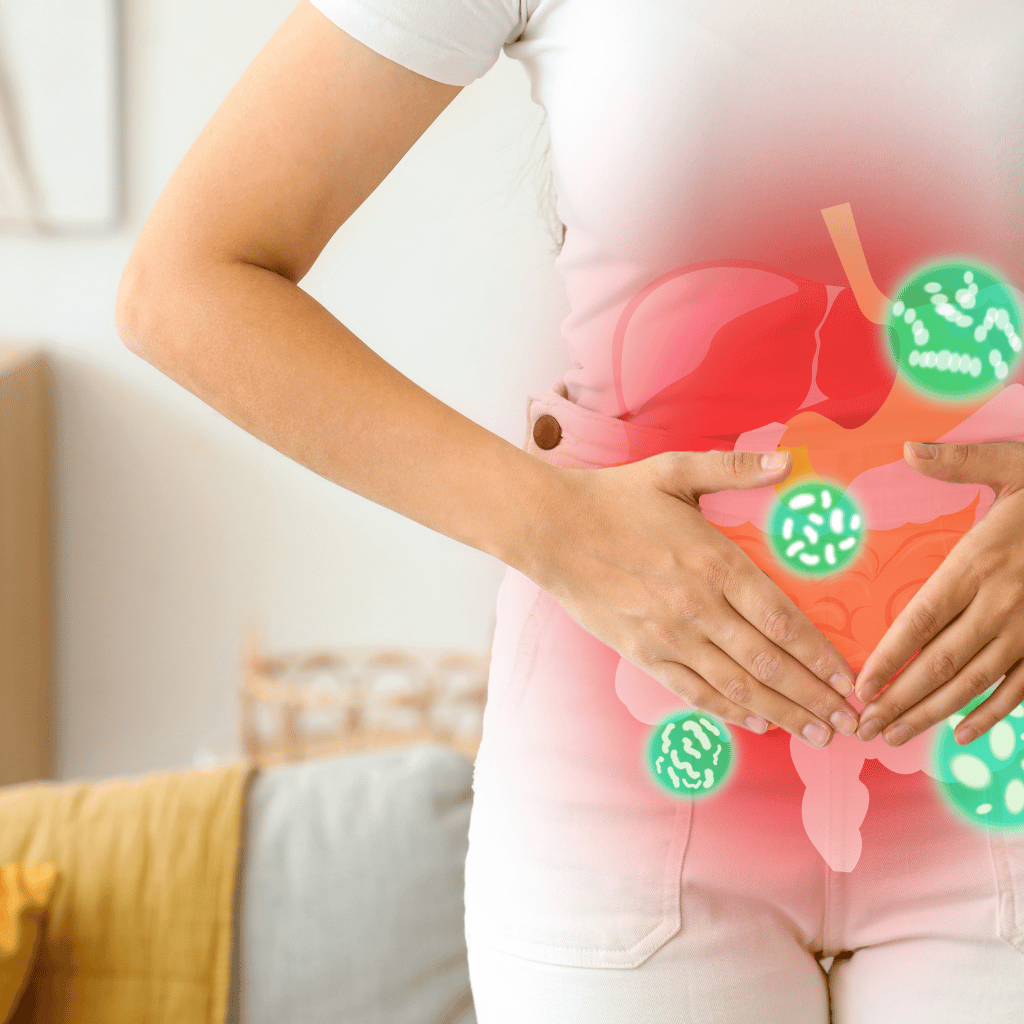
When parents give their child a probiotic, one common question often comes to mind:
“Do the good bacteria actually survive the journey through the stomach?”
It’s a great question. After all, probiotics are living microorganisms, and before they can benefit the gut, they must first travel through one of the harshest environments in the body; the stomach.
Let’s take a closer look at what happens after your child swallows a probiotic.
The Journey Begins
After a probiotic is swallowed, it travels down the oesophagus and enters the stomach. This is the first major obstacle.
The stomach contains highly acidic gastric juices, with a pH that can range from 1.5 to 3.5. This acidic environment is essential because it helps break down food and destroys many harmful bacteria that enter the body.
However, this protective mechanism also creates a challenge for beneficial bacteria.
Not every probiotic survives the trip.
Why Does Stomach Acid Matter?
Probiotics are living microorganisms, which means they are sensitive to their surroundings.
If they are destroyed by stomach acid before reaching the intestines, they are less likely to provide their intended benefits.
Research has shown that survival depends on several factors, including:
- The probiotic strain
- The amount of probiotic consumed
- The formulation or delivery technology
- How the product is manufactured and stored
This is one reason why not all probiotic products perform the same.
Reaching the Small Intestine
Those probiotics that survive stomach acid continue into the small intestine.
Here, conditions become much less acidic, making it easier for beneficial bacteria to remain alive.
Some probiotic strains begin interacting with the body’s immune cells, while others continue travelling to the large intestine, where the greatest number of gut microbes live.
The Large Intestine: Where Probiotics Get to Work
The large intestine is home to trillions of microorganisms collectively known as the gut microbiome.
Once probiotics arrive, they don’t permanently settle in the gut. Instead, many strains stay only temporarily while carrying out beneficial activities, such as:
- Supporting the balance of beneficial bacteria
- Producing helpful compounds like short-chain fatty acids
- Helping maintain the intestinal barrier
- Communicating with immune cells
- Supporting normal digestive function
Because most probiotics do not remain in the gut permanently, regular consumption is often recommended to help maintain these benefits.
Do All Probiotics Survive Equally Well?
The simple answer is no.
Different probiotic strains have different abilities to tolerate stomach acid and bile.
Some naturally survive better than others, while certain products use specialised manufacturing or protective technologies designed to improve survival during digestion.
For this reason, experts suggest looking beyond just the number of bacteria listed on the label.
The quality of the probiotic, the specific strain used, and the product formulation are all important considerations.
What Should Parents Look For?
If you’re considering a probiotic supplement for your child, here are several factors worth checking.
✔ Clearly Identified Strains
A quality product should list the full probiotic strain rather than simply stating “contains probiotics.”
For example:
- Lactobacillus rhamnosus GG
- Bifidobacterium animalis subsp. lactis BB-12®
Different strains have been studied for different health outcomes.
✔ Research Supporting the Strains
Some probiotic strains have been investigated in clinical studies involving children.
Choosing products that use evidence-supported strains provides greater confidence in their intended use.
✔ Suitable CFU Count
CFU (Colony Forming Units) indicates the number of live microorganisms in a product.
While CFU is important, more isn’t always better. The right amount depends on the probiotic strain and its intended purpose.
✔ Stability
Living bacteria are sensitive to heat, moisture and oxygen.
A quality probiotic should be manufactured and packaged in a way that helps maintain its stability throughout its shelf life.
A probiotic’s journey doesn’t end when it’s swallowed, it has only just begun.
Before reaching the intestines, these beneficial bacteria must first survive stomach acid and continue through the digestive tract. Their ability to do so depends on several factors, including the probiotic strain, product formulation, and overall quality.
Understanding this journey helps explain why choosing a well-formulated probiotic matters just as much as the number of live bacteria listed on the label. Together with a balanced diet and healthy lifestyle, the right probiotic can be one way to support your child’s digestive health and overall well-being.
References
- Hill, C., Guarner, F., Reid, G., et al. (2014). Expert consensus document: The International Scientific Association for Probiotics and Prebiotics consensus statement on the scope and appropriate use of the term probiotic. Nature Reviews Gastroenterology & Hepatology, 11(8), 506–514.
- Sanders, M. E., Merenstein, D. J., Reid, G., Gibson, G. R., & Rastall, R. A. (2019). Probiotics and prebiotics in intestinal health and disease: From biology to the clinic. Nature Reviews Gastroenterology & Hepatology, 16(10), 605–616.
- Marco, M. L., Sanders, M. E., Gänzle, M., et al. (2021). The International Scientific Association for Probiotics and Prebiotics (ISAPP) consensus statement on fermented foods. Nature Reviews Gastroenterology & Hepatology, 18, 196–208.
- Cook, M. T., Tzortzis, G., Charalampopoulos, D., & Khutoryanskiy, V. V. (2012). Microencapsulation of probiotics for gastrointestinal delivery. Journal of Controlled Release, 162(1), 56–67.